Tempered Glass vs Laminated Glass Which Fits Your Needs
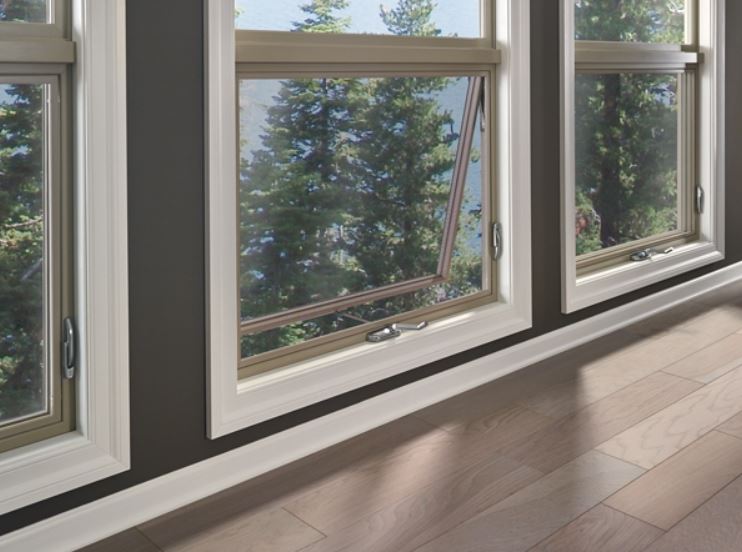
When homeowners compare replacement windows in Santa Barbara, CA, glass choice should feel practical, not confusing. Tempered glass and laminated glass both support safer, stronger windows, but they solve different needs. One is designed to break into small pieces after impact, while the other helps cracked glass stay together with an inner layer. Knowing the difference helps us match the right glass to the right room.
Every home has its own comfort, safety, and design priorities. A sunny living area may need glare control, while a busy hallway may call for added impact resistance. At Quality Windows & Doors, we look at how each space is used before suggesting a glass setup. That way, the window supports daily life instead of becoming another detail to worry about.
Why Glass Choice Matters
Every window is a system. The frame, glass, spacers, and installation work together to shape comfort and performance. Glass choice matters because it affects safety, sound control, insulation, and how the window responds when pressure is applied. Before choosing, we ask one simple question: what should this window do best?
What Tempered Glass Does
Tempered glass is heat-treated so it becomes stronger than standard annealed glass. When it breaks, it separates into small, pebble-like pieces rather than long sharp shards. That makes it a common choice for areas where building codes or everyday use call for safety glass, such as patio doors, bathrooms, stair-adjacent windows, and larger openings.
When Tempered Glass Makes Sense
We often consider tempered glass when an opening is more likely to experience direct contact. It can fit active family spaces, walkways, and places where a controlled break pattern matters. For a broader comparison, our modern window glass types and home benefits can make terms like Low-E, insulated glass, and safety glass easier to sort through.
What Laminated Glass Does
Laminated glass is made by bonding glass around a strong interlayer. If the glass cracks, that layer helps hold many pieces in place instead of letting them scatter quickly. Because of that structure, laminated glass is often chosen where security, outside noise, or storm resistance is a concern.
When Laminated Glass Makes Sense
We may suggest laminated glass for bedrooms near traffic, street-facing rooms, or areas where homeowners want added reassurance after impact. It is also helpful when comfort depends on quiet and a more secure feel. Pairing the right glass with fiberglass window frames with strong glass support can help the whole unit feel steady through changing weather and daily use.
How Do We Compare the Two?
The best choice depends on the room and the concern you want to solve. Tempered glass is often best where impact patterns matter. Laminated glass fits when cracked glass should stay together. In many homes, both belong in different places because each product has a clear purpose.
Useful questions include:
- Is this window near a door, walkway, tub, or stairway?
- Is outside noise a daily concern here?
- Would stronger impact response help this space?
- Should comfort guide the glass and frame choices?
A Simple Way to Decide
If code-driven safety is the priority, tempered glass may be the answer. If security and sound control matter more, laminated glass may be better. When needs overlap, we compare the full window design, not just the glass type.
Common Questions About Window Glass
Is tempered glass stronger than laminated glass?
Tempered glass is stronger against certain impacts than standard glass, but laminated glass is designed to stay together when cracked. Strength depends on the room’s needs.
Does laminated glass help reduce noise?
Yes. The interlayer can help reduce sound transfer, which makes it useful for rooms facing streets, neighbors, or active outdoor spaces.
Can both glass types be used in one home?
Yes. Many homes benefit from a mix based on comfort, security, safety, and room use.
Clearer Glass Choices Start with Guidance
Choosing between tempered and laminated glass becomes easier when we connect the product to the way the room is used. Tempered glass is often about controlled breakage and code-driven safety. Laminated glass is often about keeping cracked glass together while helping with sound and security. The smartest result may be one glass type throughout the home, or a thoughtful mix by room. Quality Windows & Doors can help you compare energy-efficient window choices for each room and select glass that supports comfort, safety, and everyday confidence. For professional guidance on replacement windows in Santa Barbara, CA, call (805) 564-7600 and schedule a consultation tailored to your home.