Upgrading Window Screens to Block Pollen and Small Insects
Opening a window should bring in fresh air without inviting pollen, gnats, or other tiny pests into the room. When planning replacement windows in Santa Barbara, CA with fitted screens, we should consider mesh density as carefully as frame style and glass. Standard screening handles many common insects, but smaller openings can offer another layer of control for households sensitive to seasonal particles. The right screen supports ventilation while helping us keep indoor spaces calmer, cleaner, and easier to enjoy.
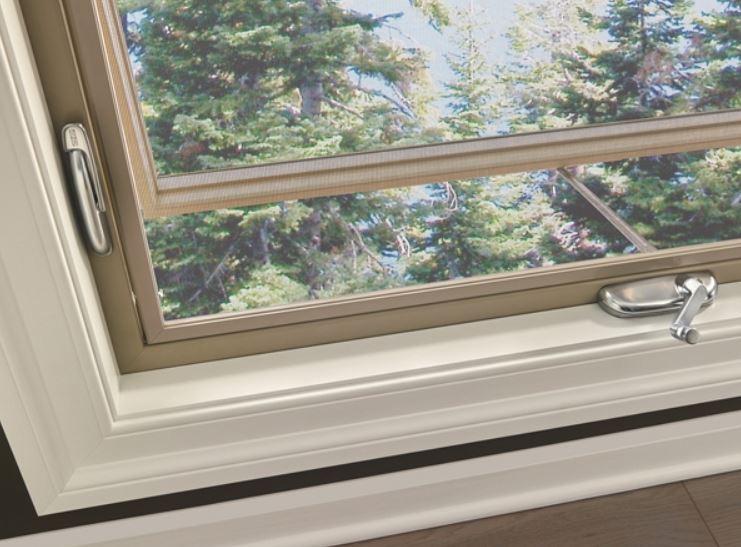
Screen selection is not a one-size decision because airflow, visibility, sun exposure, pets, and window operation all matter. We first look at how each room is used and which openings stay open most often. At Quality Windows & Doors, we then compare mesh materials, frame finishes, and fit so the finished screen works with the window rather than feeling like an afterthought. This balanced approach helps us protect comfort without making rooms feel closed off.
Why Finer Mesh Matters
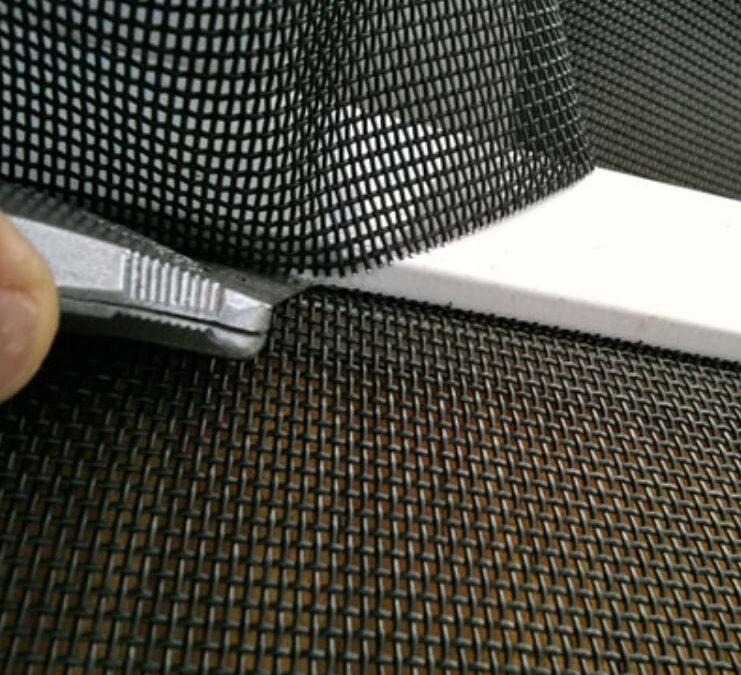
Fine mesh uses smaller openings than many standard screens, so it can reduce the passage of pollen and very small insects while the sash is open. That tighter weave may slightly change airflow or outward visibility, which is why we compare samples instead of assuming the finest option suits every room. Bedrooms, kitchens, and spaces facing gardens may benefit most. We also remember that insect screens are not fall-prevention barriers, so children and pets still need safe spacing from open windows.
Which Screen Material Fits?
Material affects tension, visibility, resistance to wear, and how the screen looks beside the frame. Our custom window screens measured for a precise fit can be matched to the opening and intended use. Common choices include:
- Fiberglass mesh for a flexible, low-profile appearance.
- Aluminum wire for a firmer screen surface.
- Solar screen where glare and sun exposure are major concerns.
- Pet-resistant mesh for areas exposed to claws or frequent contact.
For pollen-focused rooms, we ask whether a fine-mesh option is compatible with the selected frame and window style. We also consider cleaning access because dust and plant particles can collect on any screen over time.
How to Choose Screen Mesh
How Do We Identify the Main Problem?
We note whether the concern is visible insects, seasonal pollen, glare, or repeated wear. We also identify which windows are opened daily and which face vegetation, patios, or prevailing breezes. This prevents us from choosing one screen type for the whole home when room conditions differ.
How Do We Compare Airflow and Visibility?
We hold samples against natural light and look through them from typical seating and standing positions. A denser weave may block smaller particles, yet it can also feel darker or reduce air movement. Comparing samples helps us choose a practical balance.
How Do We Confirm the Right Fit?
We measure the opening, check frame condition, and confirm how the screen sits within the track or clips. Gaps around the perimeter can undermine the benefit of finer mesh. Accurate sizing helps the screen stay secure and operate smoothly.
What Proper Fit Prevents
A screen is only as useful as its fit. Bent frames, loose corners, worn spline, or spaces along the edge can give tiny insects an easy path inside. We inspect the full perimeter rather than focusing only on the mesh. Alongside window choices that may reduce indoor allergens, a properly fitted screen supports a more controlled approach to open-window ventilation. Routine visual checks also help us spot sagging, tears, and frame movement before the screen becomes unreliable.
Plan for Cleaner Airflow
Better screens begin with a clear goal: block smaller pests and reduce pollen entry while preserving useful light, ventilation, and views. We should compare mesh samples, consider each room separately, and insist on accurate measurements so edges remain secure. For replacement windows in Santa Barbara, CA, screen planning can be handled at the same time as glass, frame, and operating-style decisions. Quality Windows & Doors can help us match screen material and frame finish to the way the home functions. Our available window and door project opportunities may also support the timing of a planned project. Call (805) 564-7600 to schedule a no-obligation consultation and choose fitted screens that support fresher-feeling rooms without sacrificing everyday airflow.