How to Reduce Glare with Smart Glass Placement Ideas
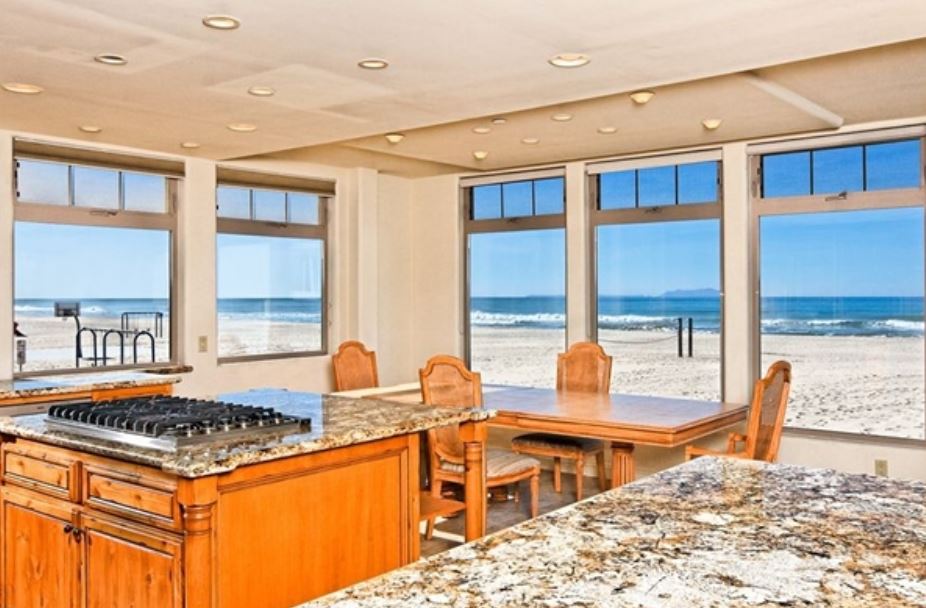
Bright rooms can feel welcoming, but uncontrolled sunlight may create glare on televisions, computer screens, countertops, and other reflective surfaces. When we consider replacement windows in Ventura, CA, homeowners choose for glare, placement deserves as much attention as window style and glass selection. By thinking about where direct sunlight enters throughout the day, we can create comfortable spaces that still benefit from generous natural light without making everyday activities harder to enjoy.
Good planning starts with understanding how each room is used. A window that works beautifully in a hallway may create unwanted brightness beside a work area or television. Quality Windows & Doors helps us look at the entire opening, including orientation, room layout, frame style, and glass characteristics. That broader approach makes it easier to balance daylight, views, comfort, and practical use instead of treating every window in the home the same way.
Why Does Window Placement Affect Glare?
Glare becomes noticeable when strong light enters at an angle that reaches our eyes or reflects from shiny surfaces. The direction changes as the sun moves, so a room may feel comfortable in the morning but overly bright later in the day.
Consider Where Light Lands
We should look beyond the window itself and notice where sunlight travels across the room. Seating positions, desks, screens, mirrors, and polished counters can all influence how noticeable glare feels. Understanding sunlight control choices that protect interior furnishings can also help us plan daylight around the way a room is actually furnished.
Which Rooms Need More Glare Planning?
Rooms with screens and reflective surfaces usually deserve closer attention. Home offices, media rooms, kitchens, and living areas can experience uncomfortable brightness when direct sunlight reaches the wrong spot.
Before choosing window positions or configurations, we can consider:
- Where televisions and computer monitors will sit
- Which seating areas face incoming sunlight
- When each room receives its strongest daylight
- Whether reflective counters or flooring increase brightness
These simple observations help us make more purposeful window choices.
How Can Window Style Help Manage Brightness?
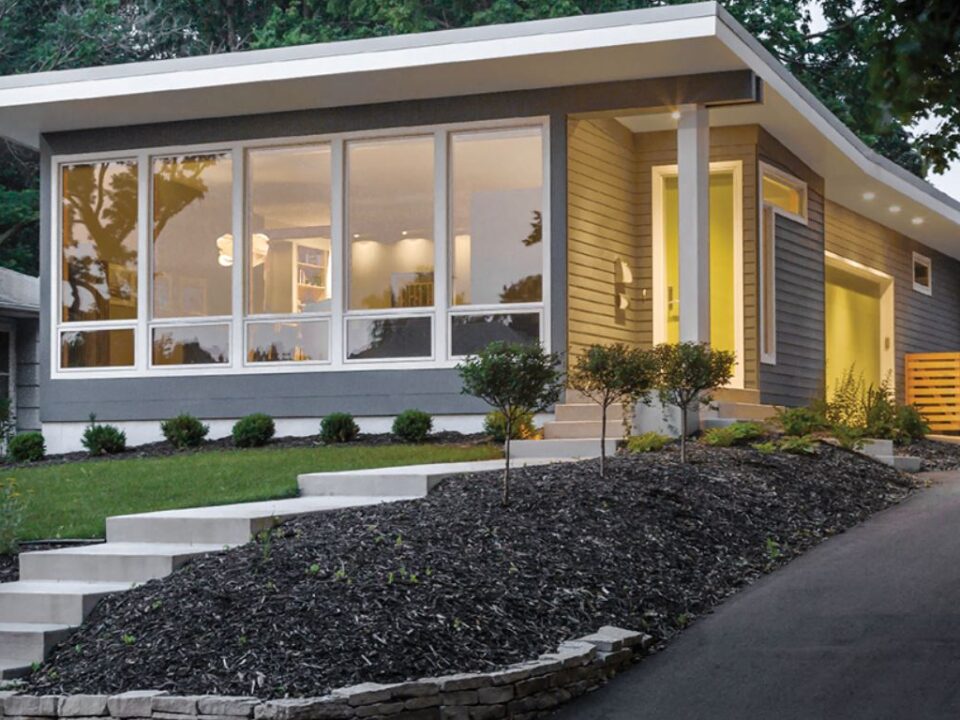
Window proportions influence both the amount and direction of incoming light. A broad picture window can provide an expansive view, while smaller or differently positioned openings may distribute daylight more selectively. The goal is not necessarily less glass. Instead, we want glass positioned where daylight supports the room without overwhelming key activity areas.
Match Glass to the Opening
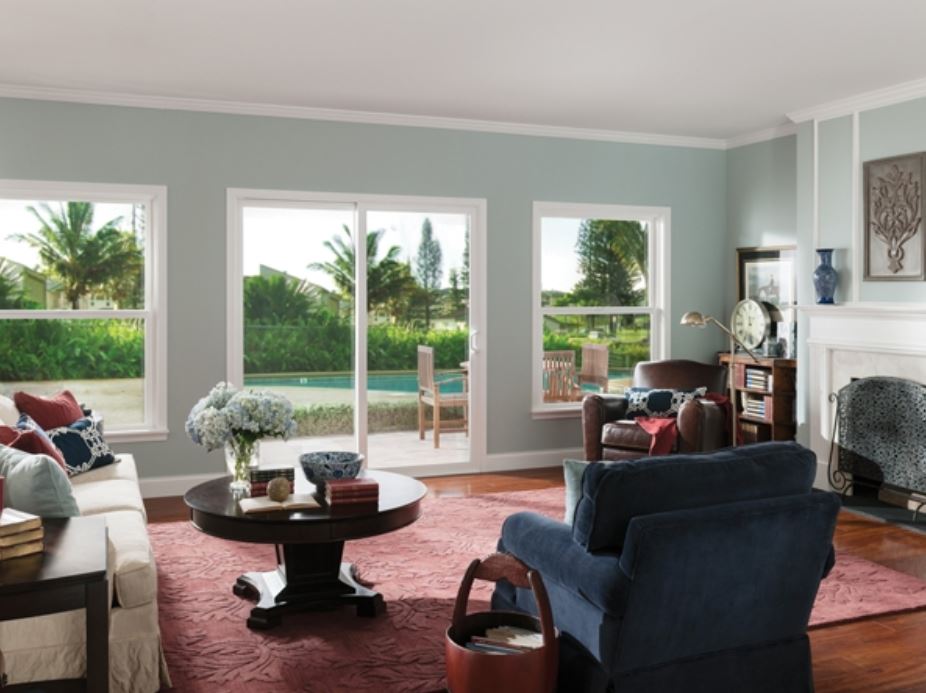
Product selection matters alongside placement. Tuscany windows designed for balanced natural light are available in several operating styles, including picture, casement, awning, single-hung, double-hung, and horizontal slider configurations. That variety gives us flexibility when planning openings around room use and architectural proportions.
What Glass Features Should We Consider?
Glass performance should be evaluated together with orientation rather than chosen in isolation. Coatings, insulating glass configurations, and related window components can affect how the opening responds to sunlight and outdoor conditions.
We can ask several practical questions during selection:
- Which direction does the opening face?
- When does direct sunlight enter the room?
- What activities happen near that window?
- Are there screens or reflective surfaces nearby?
- How important is preserving the outdoor view?
Answering these questions gives us a clearer basis for comparing suitable glass and window configurations.
How Can We Reduce Glare Before Installation?
A simple planning process can help us identify glare risks before selecting replacement windows. First, observe the room at different times of day and note when sunlight reaches screens, seating, or reflective surfaces. Next, sketch the planned furniture arrangement and compare it with the window location. Finally, discuss glass coatings, window orientation, and possible shading options with a window professional. This approach helps us choose a solution based on actual light patterns rather than assumptions.
How Do We Balance Views and Daylight?
Reducing glare does not mean giving up broad views or bright interiors. Thoughtful placement can help us direct natural light toward areas where it is useful while reducing intense brightness near screens and seating.
We also consider energy-efficient window features matched to home orientation because orientation is one part of selecting window components for a particular home. Looking at daylight, comfort, and window performance together creates a more complete plan than focusing on any single feature.
Plan Comfortable Light from the Beginning
Smart glass placement starts with understanding where sunlight comes from, how it moves through each room, and where glare is most likely to interfere with daily life. We can then compare window styles, glass characteristics, opening sizes, and room layouts as connected decisions rather than separate choices. Quality Windows & Doors can help homeowners evaluate those details and select a configuration that supports useful daylight while keeping strong reflections under control. When planning replacement windows in Ventura, CA, homeowners can benefit from professional guidance based on orientation, room function, and the way natural light interacts with their space. Call (805) 654-0154 to schedule a window consultation focused on comfortable daylight and better glare control.